Finchley Commercial Cleaning for Offices and Retail Premises
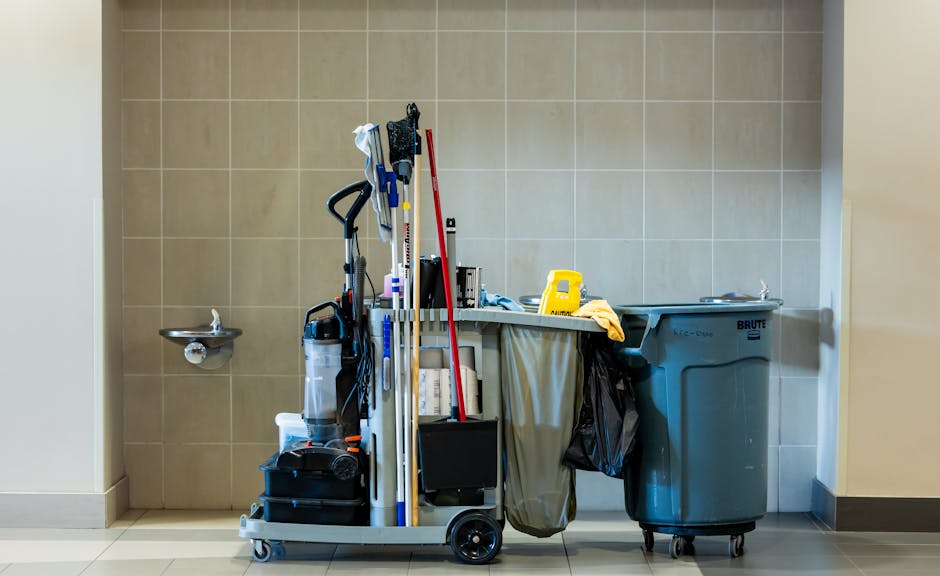
If you run an office, manage a shop, or look after a busy customer-facing space, you already know the difference a clean premises makes. It is not just about looking tidy on a Monday morning. It affects first impressions, staff morale, hygiene, and even how smoothly the day runs. Finchley Commercial Cleaning for Offices and Retail Premises is really about keeping those everyday spaces presentable, safe, and ready for business without creating extra admin for you.
In a place like Finchley, where small businesses, professional offices, studios, and retail units all run on tight schedules, cleaning needs to be reliable rather than flashy. You want a service that fits around opening hours, handles the details properly, and understands that a spotless reception, a polished floor, or a well-kept shopfront can matter just as much as the bigger jobs. This guide breaks down what commercial cleaning involves, how it works, what to watch for, and how to choose a setup that actually suits your premises.
Why Finchley Commercial Cleaning for Offices and Retail Premises Matters
Commercial cleaning does a lot more than remove dust. In offices, it supports concentration, reduces clutter, and helps shared spaces stay usable. In retail premises, it protects the customer experience. A clean till point, streak-free glass, fresh-smelling changing area, or dust-free display shelf can quietly influence whether someone stays a little longer or comes back again.
Let's face it: people notice things fast. Smudges on glass, a sticky floor near the entrance, crumbs in a staff kitchen, or a bin that was emptied too late can change the feel of a place almost instantly. And in a busy Finchley unit, those little issues pile up surprisingly quickly. The trick is not perfection. It is consistency.
There is also the practical side. Clean workplaces tend to be easier to manage day to day. They are less likely to suffer from lingering odours, visible wear, avoidable slip hazards, and those odd little problems that seem minor until they become expensive. A well-planned cleaning routine can make the entire operation feel calmer. Strange how much a mop bucket and a checklist can do, really.
For businesses with staff and customers coming and going all day, cleaning also helps set standards. It tells people that the space is looked after. That matters in offices where clients visit, and it matters in retail where customers are making split-second judgments the moment they walk through the door.
How Finchley Commercial Cleaning for Offices and Retail Premises Works
Commercial cleaning usually starts with a proper walk-through. The cleaner or cleaning company looks at the layout, the surfaces, the foot traffic, the opening hours, and the areas that need more than a quick wipe. A small office with a kitchenette and one washroom will need a very different schedule from a shop with fitting rooms, high-touch counters, stock storage, and glass frontage.
In most cases, the service is built around a cleaning specification. That is simply the agreed list of tasks, how often they should happen, and where they should be done. It may include daily vacuuming, bin emptying, washroom cleaning, dusting desks or shelves, mopping hard floors, glass spot-cleaning, and periodic deeper work such as carpet or upholstery care. If you need a more complete package, commercial cleaning can cover wider workplace requirements beyond routine tidying.
The schedule is usually shaped around business hours. Offices often prefer early morning, evening, or weekend visits. Retail premises may need cleaning before opening, after closing, or in short windows that do not interrupt trade. The point is to keep things clean without getting in the way. Nobody wants a mop and bucket parked awkwardly by the entrance while customers are queuing.
Good commercial cleaning also includes communication. If something breaks, spills, or starts to smell off, there should be a simple way to flag it. The best arrangements are the ones that feel almost invisible because they are so well organised. You notice the results, not the process.
Depending on the premises, the plan may also include specialist tasks such as window cleaning, commercial carpet cleaning, or hard floor cleaning. Those extras often matter more than people expect, especially in customer-facing spaces.
Key Benefits and Practical Advantages
There are obvious benefits, and then there are the quieter ones that only show up after a few weeks of consistent cleaning. Both matter.
- Better first impressions: clean premises feel more trustworthy and more professional.
- Improved day-to-day hygiene: shared touchpoints, desks, counters, and washrooms stay more manageable.
- Less wear and tear: dirt and grit can grind into floors and textiles over time.
- More productive staff spaces: a tidy environment tends to feel calmer and easier to work in.
- Reduced disruption: regular care usually prevents bigger clean-up jobs later on.
- More predictable standards: consistent cleaning is easier to monitor than occasional panic-cleans.
For retail premises, the big win is usually visual. Clean windows, polished fixtures, and dust-free displays help products stand out. For offices, the gain is often operational. Fewer complaints about kitchens, fewer issues with bins or washrooms, and less time spent by staff doing cleaning jobs they were never hired to do. That last one is worth saying plainly. Your team should not be improvising around stale coffee stains before a client meeting.
There is also a reputational benefit. People talk. Staff notice, customers notice, and so do visiting suppliers or tenants. A clean building sends a simple message: this place is managed properly.
Who This Is For and When It Makes Sense
This kind of cleaning makes sense for a wide range of Finchley businesses, but it is especially useful if your premises see steady daily footfall or if presentation is part of what you sell.
- Professional offices: accountancy firms, legal practices, consultancies, clinics, shared offices, and admin suites.
- Retail premises: boutique shops, convenience stores, salons, showrooms, and high-street units.
- Customer-facing spaces: reception areas, waiting rooms, consultation rooms, and sales counters.
- Mixed-use premises: places with both office and shop functions, or storage plus front-of-house.
- Busy seasonal businesses: spaces that need extra attention during peak trading periods.
It also makes sense when your current arrangement is not quite working. Maybe staff are doing too much themselves. Maybe the space looks fine at a glance but keeps failing at the edges. Or maybe the place is clean, technically, but still does not feel fresh. That is often a sign the routine is too light or too inconsistent.
If you are unsure whether you need a regular service or something more occasional, start by asking how much of the space changes day to day. High foot traffic, shared facilities, food or drink areas, and public-facing zones usually need more frequent attention than low-traffic back offices. Simple enough, but easy to underestimate.
Step-by-Step Guidance
A sensible cleaning plan does not need to be complicated. It does need to be clear.
- Assess the space honestly. Walk through the premises as if you were a customer or a first-time visitor. Notice the floor edges, door handles, bins, washrooms, skirting boards, and window ledges.
- Separate daily tasks from occasional tasks. Daily work might include bins, toilets, floors, and counters. Weekly or monthly work might include skirtings, deeper dusting, or specialist cleaning.
- Decide on priorities. Not every area needs the same frequency. Front-of-house spaces usually need more attention than storage corners.
- Choose timings that suit the business. Early mornings, evenings, and weekends are common for a reason. They reduce disruption.
- Build a written specification. Even a simple one helps everyone stay aligned. It avoids the classic "I thought someone else was doing that" problem.
- Review after the first few visits. A good setup can be tweaked. Maybe the entrance needs more attention in wet weather, or the kitchen needs a deeper weekly clean.
- Keep communication open. If your business changes, the cleaning plan should change too.
One useful habit is to think in zones: customer areas, staff areas, washrooms, and back-of-house. That alone can make the service more effective because each zone tends to have a different kind of dirt. Retail floors collect more outdoor grit. Offices collect paper dust, fingerprints, and cup-ring disasters. Different mess, different approach.
If your premises need a fresh start before regular cleaning begins, a deep cleaning visit can reset the space and make the ongoing routine much easier to manage.
Expert Tips for Better Results
In our experience, the best commercial cleaning results come from a few sensible habits rather than dramatic effort. The basics really do carry most of the weight.
- Protect high-touch points first: handles, switches, rails, counters, and entry areas need steady attention.
- Do not ignore floors: grit from the street travels farther than people think, especially in wetter months.
- Keep materials out of the way: clutter slows cleaning down and makes jobs less thorough.
- Use the right method for the surface: what works on glass might ruin a delicate finish or leave a residue.
- Plan around business rhythm: the best cleaning schedule is the one people can actually live with.
- Track recurring problem spots: if the same area keeps getting dirty, the cause may be layout, footfall, or storage habits rather than cleaning itself.
One small but useful tip: place extra attention on entrances during rainy weeks. A wet entrance mat, floor trail, or muddy footprint line can undo a lot of good work by 10:15 in the morning. And yes, it always seems to happen right after the place has been polished.
If you manage retail, ask for attention to glass, shelving, and display edges because those details shape how stock is seen. If you manage an office, prioritise kitchens, washrooms, meeting rooms, and shared desks. The smart move is to clean around actual use, not around a generic template.
Common Mistakes to Avoid
A few mistakes come up again and again, and they are surprisingly avoidable.
- Assuming "clean" means "ready for business": a place can look tidy but still have hidden grime, odours, or hygiene issues.
- Trying to cover everything with one frequency: front-of-house and back-of-house needs are rarely the same.
- Skipping written instructions: verbal agreements can drift. Then everyone is cross for no good reason.
- Using the wrong products on the wrong surfaces: that can damage finishes or leave surfaces sticky.
- Leaving cleaning until problems build up: occasional panic cleaning is usually more stressful and less effective.
- Ignoring feedback from staff: they are often the first to spot issues with bins, bathrooms, or break rooms.
Another common mistake is chasing the cheapest quote without checking what is actually included. A low price can be fine if the scope is limited, but trouble starts when the business expects a much fuller service than the agreement allows. Cheap is not always cheap, as anyone who has ever had to buy the same thing twice will tell you.
It is also worth avoiding over-cleaning delicate fittings just for the sake of it. Some surfaces need careful handling, not endless scrubbing. This is especially true in retail environments with branded displays, specialist finishes, or fabrics that mark easily.
Tools, Resources and Recommendations
The right tools make a bigger difference than people sometimes think. Commercial premises benefit from equipment that is practical, durable, and appropriate for the surfaces involved.
| Area | Useful tools or methods | Why it helps |
|---|---|---|
| Office desks and shared surfaces | Microfibre cloths, gentle surface cleaners, low-lint dusting tools | Removes dust and fingerprints without leaving residue |
| Retail floors | Vacuuming, mopping, hard-floor care, entrance mat attention | Helps control grit, marks, and slip risks |
| Glass and windows | Window cleaning tools, streak-free methods, careful edge detailing | Improves light, visibility, and presentation |
| Washrooms | Dedicated hygiene products, colour-coded cloths, frequent checks | Supports cleanliness and helps avoid cross-contamination |
| Soft furnishings | upholstery cleaning, stain treatment, spot testing | Keeps chairs, sofas, and waiting areas looking cared for |
For premises with carpets or runners, carpet cleaning or steam carpet cleaning can help restore a fresher appearance. Retail units often benefit from scheduled window cleaning too, because natural light does a lot of heavy lifting when a shop looks bright and open.
If you want to understand service expectations before you book, it helps to review practical pages such as pricing and quotes, insurance and safety, and health and safety policy. Those details are not exciting, admittedly, but they are the sort of thing that gives you a much clearer picture of how a provider works.
Law, Compliance, Standards, or Best Practice
Commercial cleaning in the UK should be handled with care, especially where staff, customers, or contractors share the same space. You do not need to turn every cleaning task into a policy document, but you do need sensible best practice.
That usually means clear risk awareness, appropriate cleaning products, safe storage of equipment, and a reasonable approach to preventing slips, trips, and cross-contamination. Washrooms, kitchens, and food-adjacent areas need particular attention. If waste removal is part of the job, disposal should follow the site's own procedures and relevant local expectations. For a useful local perspective, this kind of planning often aligns with the sort of practical thinking discussed in this Finchley rubbish disposal guide.
Businesses should also think about documentation. That does not mean burying everything in paperwork. It means having enough record-keeping to show what was agreed, what is being cleaned, and what to do if there is an issue. If the premises are busy or have specialist surfaces, a simple risk assessment and method note can be very helpful.
Environmental practice matters too. A sensible cleaning setup may include reduced waste, careful product use, refill systems where appropriate, and recycling-conscious routines. If sustainability is part of your business values, it is worth reviewing a provider's recycling and sustainability approach rather than assuming all providers handle it the same way.
Finally, security and trust matter in commercial settings. Staff may be working outside normal hours, around sensitive documents, stock, or keys. A responsible provider should have clear procedures, proper insurance, and a professional approach to access and conduct. Plain and simple.
Options, Methods, or Comparison Table
Not every premises needs the same style of cleaning. The best fit depends on how busy the space is, how visible the cleanliness needs to be, and whether you are dealing with people, products, or both.
| Cleaning approach | Best for | Strengths | Watch-outs |
|---|---|---|---|
| Regular scheduled cleaning | Offices, retail premises, shared workspaces | Reliable upkeep, predictable standards, easier budgeting | Needs a clear scope so tasks do not drift |
| One-off deep cleaning | Seasonal resets, post-event tidy-ups, problem areas | Strong refresh, useful before regular service starts | Not a substitute for ongoing maintenance |
| Specialist add-on cleaning | Carpets, windows, floors, upholstery, build-up spots | Targets areas standard cleaning may not fully address | Usually needs separate planning or scheduling |
| Hybrid cleaning plan | Busy premises with changing needs | Flexible and practical for mixed-use sites | Requires good coordination |
For many Finchley businesses, the hybrid approach is the sweet spot. A regular schedule covers the essentials, while occasional specialist work deals with carpets, glass, or tired-looking areas before they become a bigger issue. That way the business stays presentable without overpaying for things it does not need every week.
Case Study or Real-World Example
Picture a modest Finchley retail unit with a small stockroom, customer entrance, changing area, and a front window that catches the afternoon light. At first glance it seems manageable. Then you look closer. Fingerprints build up on the glass, the floor at the entrance turns dull from street grit, and the fitting room gets that slightly stale feel that customers notice without always saying so.
The owner starts with a simple plan: daily front-of-house cleaning, bin emptying, washroom checks, and a weekly deeper clean of the floors and high-touch surfaces. A separate monthly window and display refresh is added. Nothing dramatic. Just steady habits.
After a few weeks, the difference is obvious. The shop feels brighter, the changing area smells fresher, and staff stop wasting time on rushed tidying before opening. Customers are not commenting on the cleaning directly, of course. They rarely do. But they linger a little longer, and the space feels easier to buy in. That is the point, really. Good cleaning supports the business without shouting about itself.
The same logic applies to offices. A tidy reception, clean meeting room, and decent kitchen routine can improve the way a place feels every single day. Small things, but they stack up.
Practical Checklist
Use this checklist to sanity-check your current setup or to brief a cleaner before work begins.
- Have you identified the busiest areas and the spaces that need the most frequent attention?
- Is there a written list of tasks, timings, and responsibilities?
- Are washrooms, kitchens, and touchpoints included clearly?
- Do you need cleaning outside normal business hours?
- Are floors, carpets, or windows part of the regular plan, or only as needed?
- Have you considered specialist care for soft furnishings or high-traffic surfaces?
- Is there a simple way for staff to report issues?
- Are products and methods suitable for the surfaces in your premises?
- Have insurance, safety, and access arrangements been checked?
- Does the service reflect the way the business actually operates?
If most of those answers are a bit vague, that is your sign. A cleaner plan will probably save time, reduce friction, and give you a better result.
Conclusion
Finchley Commercial Cleaning for Offices and Retail Premises is not just about appearance. It is about keeping business spaces practical, welcoming, and easy to manage. When cleaning is planned properly, it supports the people using the building every day and quietly protects the value of the premises over time.
The best results usually come from a clear scope, realistic timing, the right methods for the surfaces involved, and a willingness to adjust as the business changes. Nothing overcomplicated. Just a sensible routine done well, week after week. That is what makes the difference between a place that looks cleaned and a place that genuinely feels looked after.
To learn more about the company behind these services, you can also visit the about us page or explore the main office cleaning offering if your premises are office-led. And if you want a broader overview of service coverage, the home page is a sensible starting point.
Get a free quote today and see how much you can save.
Clean spaces have a way of giving people confidence, and that never really goes out of style.
Frequently Asked Questions
What does Finchley Commercial Cleaning for Offices and Retail Premises usually include?
It usually covers routine tasks such as vacuuming, mopping, bin emptying, dusting, washroom cleaning, surface sanitising, and maintaining customer-facing areas. The exact scope depends on the premises and the agreed cleaning specification.
How often should an office or retail space be cleaned?
That depends on footfall, layout, and how visible the space is to customers or clients. Busy offices and retail premises often need daily attention in key areas, while some lower-traffic spaces may only need certain tasks a few times a week.
Is commercial cleaning different from domestic cleaning?
Yes. Commercial cleaning is usually built around business use, higher foot traffic, shared facilities, and a more structured schedule. It often involves access outside normal hours and a clearer task specification than domestic cleaning.
Do retail shops need more cleaning than offices?
Not always, but retail spaces often need more attention at the entrance, on glass, around displays, and in customer areas because presentation matters so much. Offices may need more focus on kitchens, washrooms, and shared desks.
Can cleaning be done outside opening hours?
Yes, and that is common. Many businesses prefer early morning, evening, or weekend visits so cleaning does not interrupt customers or staff. It is usually one of the simplest ways to keep things running smoothly.
What should be included in a cleaning checklist?
A checklist should clearly list the tasks, the rooms or zones covered, how often each task is done, and any special instructions for surfaces or fixtures. It helps avoid confusion and keeps standards consistent.
How do I know if I need a deep clean rather than regular cleaning?
If surfaces are dull, dirt is building up in corners, or the place no longer feels fresh even after routine cleaning, a deep clean may be the right first step. It is often useful before starting a regular schedule or after a busy period.
Are carpets and windows usually included?
Sometimes, but not always. Many businesses add services like commercial carpet cleaning or window cleaning as extras because they are needed less often than daily tasks.
What should I ask before hiring a cleaning provider?
Ask what tasks are included, how often they are done, what products are used, whether the provider is insured, how access is managed, and how issues are reported. Those questions tell you a lot, fast.
How can I keep costs under control?
Be clear about priorities, focus on the areas that matter most, and avoid paying for unnecessary tasks. A well-planned specification is usually better value than a vague one, because it reduces waste and confusion.
What if my premises have delicate surfaces or specialist fittings?
Then you should flag that early. Delicate finishes, branded displays, polished floors, and certain fabrics need the right products and methods. A careful approach prevents damage and keeps the space looking good for longer.
Where can I find more information about service standards and practical policies?
It is sensible to review pages such as terms and conditions, insurance and safety, and complaints procedure so you know how the service is structured and what support is available if something needs attention.